+61 (8) 9246 4066
 Suite 1, 64 Arnisdale Road,


- We have moved to Duncraig
-
 +61 (8) 9246 4066
-



Recovery and Exercise Recommendations For Women With Cancer

1. AVOID INACTIVITY

Deconditioning following treatment or surgery for cancer can unfortunately happen very quickly and can result in a cycle of worsening fatigue and physical function.
Complications related to inactivity can make recovery from cancer and it’s treatments even more difficult and can result in serious long term problems.
Any activity is better than none. Short regular sessions can be beneficial, particularly when you are just starting out and don’t have the time or the energy for a long exercise session.
If you are avoiding moving part of your body due to fear, pain or stiffness then make sure you get in touch with Rachael, our certified PINC cancer rehabilitation Physio, for an assessment and a plan to help get you moving safely again!
2. GET A PHYSICAL AND FUNCTIONAL ASSESSMENT WITH A CANCER REHAB PHYSIO

Along with getting the best medical treatment, physical rehabilitation is an extremely important step of the cancer journey.
If people do not receive rehabilitation after cancer it can significantly affect their ability to work, their overall wellbeing and their long-term health. Cancer rehabilitation and exercise can reduce the side effects of both the disease and the cancer treatment as well as improve function, quality of life and survival.
One size doesn’t fit all and it is essential that you get individualised care and rehabilitation that is specific to you. Everyone’s cancer is different (even for those with the same type and stage of cancer) and each person can respond differently to cancer treatment.
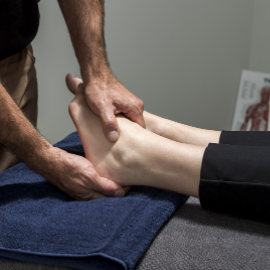
A cancer rehab physio can complete a comprehensive assessment and provide advice to help maximise your recovery and reduce the impact that the treatments for cancer are having on your body.
It is important to address any issues or symptoms early as it can save you a lot of time and money later down the track, improve your recovery and prevent long term problems.
3. DECREASE STRESS
A diagnosis of cancer can understandably mean a great deal of stress and uncertainty.
We know that activities like exercise, meditation and gardening can help manage stress.
Getting outside and reconnecting to nature has been shown in studies to help reduce stress, lift depression, increase energy and improve overall wellbeing.
Increasing social connections by catching up and keeping in touch with friends or joining a cancer support group can be helpful in reducing stress as well.
4. PRIORITISE EXERCISE

We all know that exercise is so important for mental and physical wellbeing and quality of life.
For cancer survivors, regular exercise can reduce the risk of death by 44% and reduce the risk of cancer recurrence by 33%. Exercise can also reduce the severity of side effects of chemotherapy treatment.
It is recommended that you aim for at least 150 minutes of moderate physical activity per week AND 2 to 3 resistance workouts.
If you are finding it hard to meet these targets, seek support from a cancer rehab physio who can help you include more activity into your week.
Whilst exercise should be a priority, it should give you more energy, not wear you out. It should be something you enjoy doing and fits in with your lifestyle.
You may have to change how you exercise compared to what you previously would have done. For example, you may initially start walking instead of running. You might need to reduce the intensity and duration of your chosen activity and if doing circuit training or intervals then you may require longer rest periods to begin with.
5. LISTEN TO YOUR BODY
It is important to listen to your body and ensure you do not ignore symptoms.
If you have pain, swelling, pins and needles, signs of infection, stiffness or fatigue then ensure you report this your doctor and physio so that it can be checked and monitored.
If you are not coping with work or home duties make sure you tell someone and seek support to manage this.
It is much easier to treat any problems you are having if they are picked up early.
6. FEEL STRONGER WITH RESISTANCE TRAINING

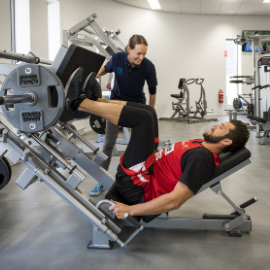
Resistance training is a type of exercise that uses either your own bodyweight, resistance bands, pulleys, springs or weights.
It can help to:
- Increase strength
- Improve range of movement
- Maintain joint, muscle and bone health
- Reduce stress, anxiety, depression
- Reduce fatigue
- Improve balance and reduce risk of falls
- Improve feelings of well-being, confidence and control of your life
- Assist in weight management
A gym membership is not necessarily required for resistance training. Exercising with resistance bands and free weights is inexpensive and easily done at home with an individualised program from our Cancer Rehabilitation Physio.
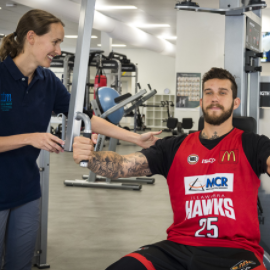
If you prefer more guidance, support and accountability you could join our 1:1 or group exercise rehabilitation sessions with our physiotherapist.
7. SEEK HELP FOR FATIGUE
Fatigue is a feeling of extreme tiredness- both physically and emotionally.
It is one of the most common side effects of cancer treatment.
If fatigue is left untreated, it can significantly impact your quality of life so ensure you seek support.
Some signs of cancer-related fatigue are:
- Prolonged extreme tiredness after an activity
- Feeling weak, tired, weary or exhausted even after sleeping
- Too tired to complete normal everyday activities
- Trouble concentrating, thinking clearly or remembering
Some strategies to help you manage fatigue are:
- Rest, but not too much
- Stay active- regular moderate exercise has been shown to reduce the symptoms of fatigue.
- Save your energy. Plan your day ahead and prioritise the most important things. Ensure you pace yourself, take rests when you need them and try not to push yourself to fit too much into your day.
- Ensure you have a good sleep pattern and that you are getting enough sleep at night. If you need to take a nap during the day, it is better to take a couple of short naps rather than one long rest.
8. CELEBRATE YOUR WINS

Goal setting is helpful on your road to recovery.
Writing down a goal and sharing with close friends or family can give you motivation with something to strive towards and look forward to.
Achieving your goals can feel very empowering and healing, providing a sense of accomplishment. Make sure you celebrate each little win along the way!
REMEMBER…

Every single person’s road to recovery is different. Make sure you seek support. There are people who can help and understand the challenges you are going through.
If you would like to know more about our PINC Cancer Rehabilitation services, please contact us or visit au.pincandsteel.com for online resources regarding the PINC Program benefits.
References:
PINC & STEEL International: Move Over Cancer Flyer – Recovery and Exercise Recommendations for Women Facing Cancer

Ask a physio
Not sure whether you are appropriate for Physiotherapy?
Fill out the form and one of our physiotherapists will be in touch with you within 24 business hours.
Follow us on