+61 (8) 9246 4066
 Suite 1, 64 Arnisdale Road,


- We have moved to Duncraig
-
 +61 (8) 9246 4066
-



Swimmers Shoulder

In our latest instalment of the "Summer Body" Series we are going to examine the swimmers shoulder. The term swimmers shoulder is an umbrella term for a number of different injuries to the shoulder complex of swimmers. The common denominator in the majority of shoulder injuries to swimmers is overuse. In other words, these injuries occur when the shoulders need to do work is outweighing the ability for it to recover sufficiently.

What is the Shoulder?
The shoulder is the most flexible joint of the human body, this is due to its ball and socket nature. The shoulder is surrounded by a joint capsule, ligaments and tendons of muscles. The downside of a mobile joint is the lack of stability;therefore the rotator cuff muscles need to work harder to provide this stability. These muscles are infraspinatus, teres minor, subscapularis and supraspinatus.

How does it happen?
With the extreme mobility of the shoulder, the tendons / ligaments that surround the joint need to work extremely hard to keep the shoulder in its place. Overtraining, poor swimming technique, weakness or tightness lead to the rotator cuff muscles being overused and their tendons inflamed. The longer this lasts, the greater chance of common shoulder injuries such as bursitis or sub acromial impingement. We are going to examine a little bit more about sub acromial impingement.
Sub acromial impingement is where the overused tendon/s become inflamed and reduce the space in the shoulder joint. As a result of this inflammation the tendons rub on the acromion of the shoulder joint. Genetically people may be born with an overhanging acromion which naturally can also cause discomfort when swimming. The management of a bony impingement vs the tendinous impingement is slightly different. The symptoms of shoulder impingement are as follows:
- Pain throughout shoulder movement at shoulder height as well as at its highest point
- Pain from the shoulder to the elbow
- Pin point pain at the front of the shoulder
- Pain when lying on the shoulder
- Constant pain as the shoulder worsens
- Muscle weakness when lifting heavy or not so heavy objects
- Pain when doing your hair, cleaning your teeth or putting on clothes
- Pain when driving your car
How do we Manage Swimmers Shoulder?
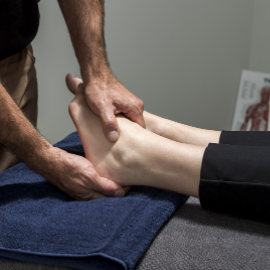
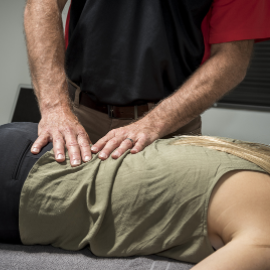
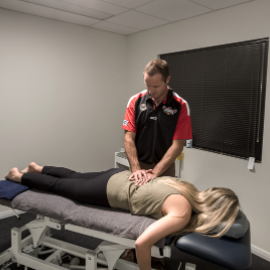
The most critical part of the management of Sub Acromial Impingement is to release the soft tissue surrounding the shoulder joint. From there, it is important that your neck and upper back is moving freely to allow optimal function of the shoulder. Your physio will guide you through a home exercise program as well to help maintain the gains made in treatment and extend your relief. Generally, in the case of swimmers shoulder it is likely that there will be a load management component to your rehabilitation. This may be avoiding certain swimming strokes, reducing frequency or duration of your sessions or in some cases a period of full rest may be required.
If your shoulder is not responding to hands on treatment you may be recommended to get an injection into your shoulder from your doctor. This, like imaging, is in extremely rare cases.
The Physiotherapists at MTM Physiotherapy Warwick utilise the following treatments:
- Massage
- Joint Mobilisations
- Dry Needling
- Electrotherapy if relevant
- TapingHome exercise programs (strength, range of motion and scapula control)
- Home management advice
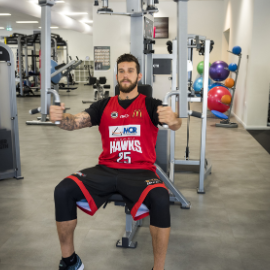
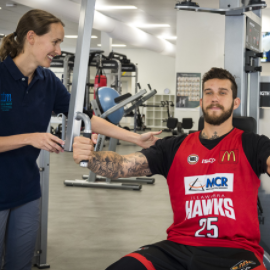
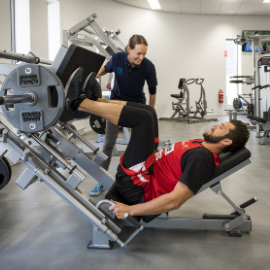
- Exercise rehabilitation in the Warwick Workout gym
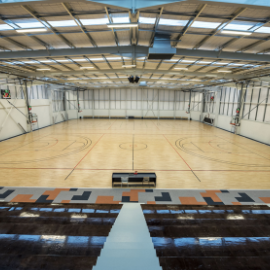
- Return to sport fitness testing and training on the Warwick Stadium courts

If you are like many Swimmers and are suffering shoulder pain, then do not hesitate to come and see us at MTM Physiotherapy Warwick. You can book online today

Ask a physio
Not sure whether you are appropriate for Physiotherapy?
Fill out the form and one of our physiotherapists will be in touch with you within 24 business hours.
Follow us on