+61 (8) 9246 4066
 Suite 1, 64 Arnisdale Road,


- We have moved to Duncraig
-
 +61 (8) 9246 4066
-



Patellofemoral Pain Syndrome

WHO
Patellofemoral pain syndrome is a common knee issue that affects 10-20% of the general population at some point in their life. As it is common for runners to be affected it is also known as “Runner’s knee”. Patellofemoral pain can also occur in athletes involved in other sports which involve a lot of running or jumping (e.g. netball, basketball, football, soccer). It often develops in adolescents at times of increased growth and usually occurs more in girls than boys. Older adults can also get patellofemoral pain, which can be present with degenerative joint changes.
The patellofemoral joint is where the kneecap (patella) joins with the groove it runs in at the front of the knee (trochlea of the femur). Problems occur when the patella does not run smoothly and centrally within the groove (trochlear). This is known as patella mal-tracking.
WHAT
Symptoms:
- Pain at the front of the knee – usually felt underneath, behind or around the patella
- Pain and/or stiffness with prolonged sitting with knees bent (“Theatre-sign”)
- Pain with repetitive weight bearing activities such as running, squatting, climbing hills, going up/down stairs, cycling
- Crepitus (crackling, grinding or grating sensation)
- Pain is usually “achey”, but can sometimes be sharp
- Pain usually has a gradual onset due to repetitive loading but sometimes can be secondary to trauma or after knee surgery
HOW
There are several factors that may contribute to the development of patellofemoral pain syndrome.
Risk factors include:
- Training errors/overuse (an increase in training intensity, duration or frequency, particularly if not gradually introduced)
- Trauma (e.g. impact or a fall onto the knee)
- Tight structures on the outside of the knee (lateral retinaculum, iliotibial band, lateral muscles)
- Muscle weakness/dysfunction (e.g. quadriceps (particularly VMO) & gluteals)
- Poor flexibility (e.g. tight quadriceps, hip flexors, hamstrings, calf)
- Patella hypermobility, subluxation or dislocation
- Foot biomechanics: Excessive or prolonged pronation (foot rolling inwards)
- Anatomy (e.g. high riding patella, shallow trochlear groove)
- Previous knee surgery (e.g. ACL reconstruction)
ASSESSMENT & MANAGEMENT
The team at MTM Physiotherapy Warwick are experts in the assessment and management of all sporting injuries. We will ensure that your injury is correctly diagnosed through a range of physical tests and if indicated the use of medical imaging.
With regards to patellofemoral pain syndrome, the main focus of hands on treatment will be aimed at releasing tight muscles and mobilising the patellofemoral joint. Taping of the patella can also be helpful. An essential part of the management of patellofemoral pain syndrome will be completing a home exercise program. This will be individualised to you based on assessment findings, however it will usually involve a number of stretches as well as quadriceps and gluteal strengthening exercises. Your running and/or jumping technique will also be assessed and corrected as necessary. As foot biomechanics can contribute to this issue, your physiotherapist may refer you to a podiatrist for review and prescription of orthotics if indicated. Your training load may also need to be addressed if that has been a causative factor.
The Physiotherapists at utilise the following treatments:
MTM Physiotherapy Warwickutilise
- Massage
- Joint Mobilisations
- Dry Needling
- Taping
- Home exercise programs (strength, range of motion, balance)
- Home management advice
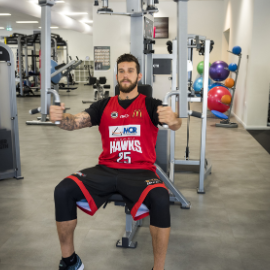
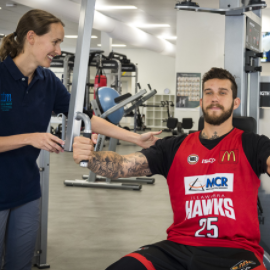
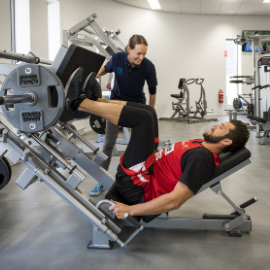
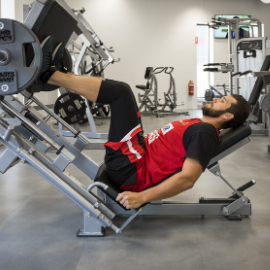
- Exercise rehabilitation in the Warwick Workout gym
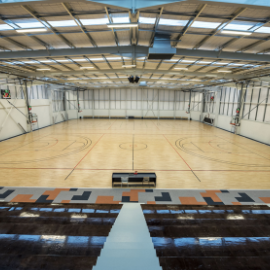
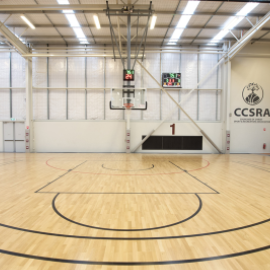
- Return to sport fitness testing and training on the Warwick Stadium courts
Article written by Rachael Dodds

Ask a physio
Not sure whether you are appropriate for Physiotherapy?
Fill out the form and one of our physiotherapists will be in touch with you within 24 business hours.
Follow us on