+61 (8) 9246 4066
 Suite 1, 64 Arnisdale Road,


- We have moved to Duncraig
-
 +61 (8) 9246 4066
-


Musculoskeletal screening

What is a musculoskeletal screening?
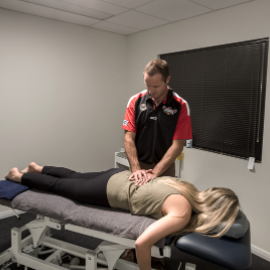
A musculoskeletal screening involves gathering information about an individual’s injury history and conducting a series of sport specific assessments to identify risk factors that could predispose an athlete to injury. Sport specific screening protocol tests are constructed with the knowledge of what the sport involves and the most common injuries associated with it.
A musculoskeletal screening is ideally performed before training commences or early in the pre-season phase of training, so that there is time to address the potential risk factors prior to commencement of competition.
Screenings are commonplace in professional sporting settings and Sporting Institutes alike.

What are the benefits of a musculoskeletal screening?
Any level of athlete can benefit from a musculoskeletal screening. These include junior developing and recreational players right through to elite and professional athletes.
The primary benefit of a musculoskeletal screening is the prevention of injury. The screening can identify any factors that may increase the risk of a musculoskeletal injury in the approaching season. This could be anything from a stiff ankle, a tight hamstring, limited hip range of movement, poor balance or weak gluteal muscles. Once these issues or deficits are identified, an individualised treatment or training plan can be put in place to address these factors to reduce the risk of injury whilst competing in your sport.
Further benefits include the potential to improve your athletic performance. By assessing your strength, mobility, function and technique specific to your sport, areas to improve upon can be identified.
A musculoskeletal screening also provides a baseline measure that can be used for general monitoring throughout the season and for future rehabilitation purposes. For example, if you are returning from an injury you can set specific strength, mobility and function goals based on your most recent musculoskeletal screening results. The screening can also offeruseful information to coaching and strength and conditioning staff, assisting the implementation of training programs and affecting overall performance.
What does the evidence say?
Various studies have demonstrated that immobile (Stiff) joints and shortened muscle groups may predispose muscles, ligaments, tendons and bone tissue to stressful physical loads. This could potentially lead to acute traumatic or overuse injuries.
Gabbe et al (2004) noted that sports specific musculoskeletal screenings (SSMS) are commonly used to identity risk factors associated with participation in sport. The role of the SSMS is to identify at risk individuals and then allow an injury prevention program to be implemented. This is also creates a baseline for functional return to sport. They also found that if we screen and create programs based on results then we will have a reduced rate of soft tissue injuries.
Olsen et al (2005) conducted a study on 120 European handball teams, they were interested in finding the difference in acute knee and ankle injuries between a group who completed a mix of strength, balance and landing exercises against a group who did no injury prevention training. They found a 37 % decrease in injuries in the group who did preventative exercises.
With specific relation to basketball, Emery et al (2007) found that the effectiveness of sport specific balance training program reduced injury in adolescent basketballers. They also found a clinically relevant trend with respect to the reduction of all lower extremity and ankle sprain injuries.
What does it involve?
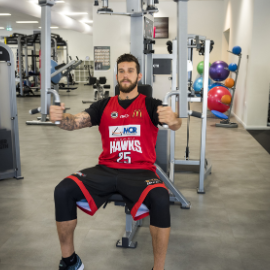
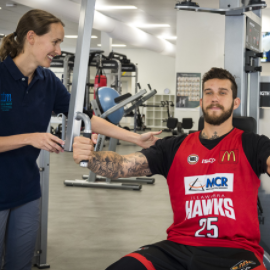
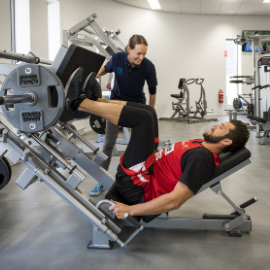
A basic musculoskeletal assessment will take roughly 45 minutes to complete.
The specific tests included in the assessment are chosen depending on the type of sport you are involved in.
The following areas are considered:
- Joint range of motion
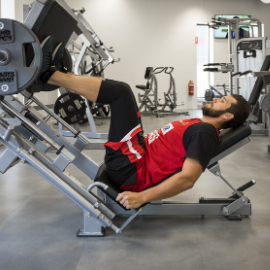
- Upper & lower limb strength
- Upper & lower limb flexibility
- Trunk control
- Posture
- Balance and coordination
- Running technique
- Sport specific functional tests E.g. jumping/landing, throwing, serving
Following the musculoskeletal screening, a detailed summary report can be provided including all test results and measured values outlining your functional abilities. The report will include advice regarding injury risk as well as recommendations on how to best manage the problems identified. An individualised injury prevention exercise program will be prescribed incorporating appropriate exercises to target the areas that require improvement. This may include Physiotherapy treatment if required, stretching and mobility exercises, specific strengthening exercises, motor control exercises, drills or strategies to improve functional technique and advice regarding regular self-maintenance.
For more information on screening or to book to see one of our Physiotherapists, call MTM Physiotherapy Warwick today on 6244 0345.

Ask a physio
Not sure whether you are appropriate for Physiotherapy?
Fill out the form and one of our physiotherapists will be in touch with you within 24 business hours.
Follow us on