+61 (8) 9246 4066
 Suite 1, 64 Arnisdale Road,


- We have moved to Duncraig
-
 +61 (8) 9246 4066
-



Injury Prevention For Triathletes

With three disciplines to master, triathletes can unfortunately be vulnerable to injury. There is a high rate of overuse injuries in triathlon due to the repetitive nature of the sport and large training loads. Overuse injuries occur when the same stress is applied repetitively and continuously to the same muscles, connective tissue and bone structures without enough time for these structures to heal or adapt. The most prevalent regions of the body susceptible to overuse injury in triathlon are the knee, lower leg/foot, lower back and shoulder (1). It has been found that most injuries sustained by triathletes are related to running, closely followed by cycling.
Common triathlon related injuries:
- Patellofemoral pain (“Runner’s knee”)
- Iliotibial band (ITB) friction syndrome
- Achilles tendinopathy
- Shin splints (medial tibial stress syndrome)
- Stress fractures: tibia, metatarsals, femur, pelvis, sacrum
- Plantar fasciitis
- Other lower limb tendinopathy (e.g. proximal hamstring tendon, patella tendon, gluteal tendons)
- Hip joint pain/labral tears
- Low back pain
- Upper back or neck pain
- Shoulder pain (sub acromial impingement, bursitis, rotator cuff tendinopathy)
How to prevent triathlon related injuries
TRAINING FACTORS
Avoid doing too much, too soon, too fast… pretty simple right? Well there may be a little more to it than that...
1. Overall training volume
A study that explored the link between injury and training patterns in non-elite triathletes found that hours of training could predict rate of injury. Triathletes were more likely to sustain an injury in the preparation for racing season if they trained at either too low or too high of a volume. Athletes training less than 8 or more than 15 hours per week had an increased injury risk. The group with the lowest risk of injury trained an average of 8-10 hours per week for a standard triathlon, consisting of 5-6 hours of cycling and 3-4 hours of running. The amount of time spent swimming was found to have no significant correlation to risk of injury (2).

2. Gradual increase in training load
In terms of running load, a common recommendation is that there should be no more than a 10% increase in total distance per week. However, for people just starting out, this can mean building up the distance can be very slow. Running Physio, Tom Goom, has discussed a modified version of this rule for increasing running load. He suggests that for between 0-10km, that there is no more than a 30% increase per week; between 10-20km, no more than a 20% increase; and greater than 20km per week, no more than 10% (3). Keep in mind, this is a general guideline and will depend on the individual, their goals, their running experience and previous injuries.
A recent study found that when training load was increased by more than 15% above the previous week’s load, there was a 21% to 49% risk of injury. When the training load had been more consistent (i.e. no greater than 10% on top of the previous week’s load) the risk of injury was much lower at 10% (4).
3. Recovery weeks
It is important to include a recovery week into your program every fourth week. During a recovery week, intensity should be maintained but the weekly distance should be reduced by 5-10%. The aim of this is to minimise fatigue and maximise fitness and performance (3).

4. High intensity/speed training:
Injuries are more likely to occur during or after higher intensity/speed training sessions. A recent study has found that an increased amount of time spent on speed training correlates with overuse injury for athletes training for Ironman distances. Total time spent speed cycling has been correlated with lower back injuries.
5. Variability:
Ensure to mix up the distance, pace, running surface and terrain (running track vs. grass vs. trail, flats vs. hills). This helps to ensure the same tissues aren’t being constantly loaded the same way helping to prevent overload of specific structures.
6. Total run training time 1 week before starting to taper:
Running injuries have been found to be correlated with an increased time spent running in the week leading up to taper.
STRENGTH TRAINING
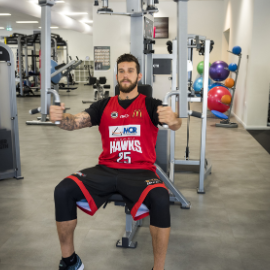
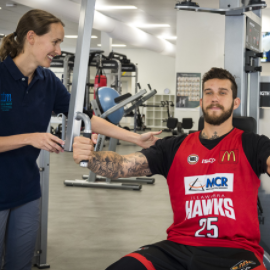
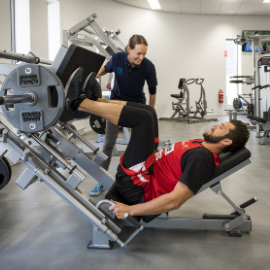
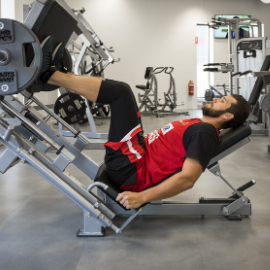
Strength training is an essential part of any triathletes training programme whether a first timer, a seasoned age grouper, or an elite competitor. It enables the body to cope with a higher load and can help to reduce the risk of overuse type injuries. A study of over 26,000 athletes who undertook different injury prevention programmes (e.g. stretching vs. strengthening vs. proprioception) found that strength training reduced overuse sports injury rate by half (6). Another recent study has shown that just 13 minutes of strength training 3 times per week may be enough to improve strength and endurance.
If you are not too sure how to implement strength training into your program for triathlon, it is best to consult with a physiotherapist for assistance with this. Your physiotherapist can design a specific and individualised program considering your injury history, strengths, weaknesses and triathlon goals.

STRESS - RECOVERY BALANCE:
It is important to maintain a good balance between stress and recovery whilst training. Stress includes both physical stressors (e.g. training load, other sports, work and daily activities) and psychological stressors (emotional stress, work/family life, mental health & the cognitive demands of sport). If stress and recovery are both sufficient then performance can be improved, and injury is less likely to occur. However, if the stress is too high and/or the recovery is not adequate this may lead to an increase in fatigue and a reduction in performance which could play a large part in the development of a triathlon related injury (3).
When trying to juggle training for a triathlon along with work, study, kids, pets and home duties, it can be tricky to keep on top of everything and often recovery is sacrificed. However, it is something that should be given a priority if wanting to avoid injury and perform at an optimal level.
SLEEP
Sleep is a very important part of recovery from training. A lack of sleep can result in a higher risk of injury and can also have a negative effect on training adaptations, sports performance and injury rehabilitation.
A recent study found that teenage athletes who got less than 8 hours sleep each night, increased their risk of sporting injury by 1.7x, compared to those who got more than 8 hours sleep (7). With less sleep or poor-quality sleep, the ability of our muscles to adapt and repair can be impacted and result in reduced adaptations to training such as strength, power, speed and endurance.
It is recommended that you try to get between 7-9 hours sleep per night.

NUTRITION
As triathletes usually train most days of the week and sometimes multiple sessions in one day, nutrition should be prioritised to optimise recovery, daily energy levels, and training adaptations.
Carbohydrate intake must be adequate to balance daily fuel needs and protein should be prioritised around training sessions to support optimal muscle regeneration, recovery and immune function. Eating foods with healthy fats will also help to enhance recovery and meet the high energy requirements. Fruits and vegetables will assist you to achieve adequate intakes of antioxidants, vitamins and minerals.
In terms of bone health and reducing the risk of stress fracture, it is important to ensure that both your intake of calcium AND overall energy intake is adequate. It is recommended that adults have an intake of 1,000 mg calcium (recommended daily intake, RDI). This daily intake increases up to 1,300mg for women over 50yrs of age, and men over 70yrs.
If you are not too sure about your diet and nutrition requirements, it is best to consult a Sports Dietician who is experienced in assisting endurance athletes.
BIKE FIT
It is worth investing a bit of time and money getting a proper bike fit. An ill-fitting bike may contribute to a variety of overuse injuries or result in considerable discomfort in the low back or neck, especially on those longer rides! Not only will a bike fit help to reduce injury risk and make your ride more comfortable, but will also improve aerodynamics, efficiency, power and potentially lead to more PB’s.

FOOTWEAR
Ensure you are wearing appropriate running shoes that are not too worn out and fit your foot well. It is generally recommended to change shoes after 550-800 kilometres or when shoes lose their springiness or comfort.
Specific injuries may benefit from a certain type of footwear. For example, moving to a more minimalist shoe may benefit runners with knee pain where as a shoe with a larger heel drop may assist runners with Achilles tendinopathy or calf pain. It is best to discuss this with your physiotherapist or podiatrist to ensure it is suitable for you.
Probably the most important point, is to avoid sudden or drastic changes in footwear. It should be done gradually as large changes in footwear can alter the distribution of load and if the muscles of the foot and leg have not been allowed time to adapt to this, it can increase the risk of injury.

TECHNIQUE
Getting your technique assessed by running, cycling and swimming specific coaches and/or your physiotherapist can help to not only prevent injury, but also may assist to improve your efficiency and performance.
A running gait assessment by an experienced physiotherapist can be beneficial. An inefficient running pattern where the heel strikes the ground ahead of a runner’s centre of gravity has been shown to increase the risk of shin splints, stress fractures, runner’s knee and other overuse injuries. A runner with an efficient gait contacts the ground with their mid-foot, directly under their centre of gravity, with a cadence of 170-190 steps per minute. By increasing your cadence (step rate) and reducing your stride length, there is a decrease in the ground reaction force and the energy being absorbed by the hip, knee and ankle joints.
If you do happen to get an injury at any point in the triathlon season, it is a good idea to get it checked out by a healthcare professional as soon as possible. Although no athlete wants to take time off, training through an injury may result in a more significant interruption to your racing season. A physio who works with endurance athletes and triathletes can make sure you are able to optimise your rehabilitation while maintaining your cardiovascular fitness to get you back to doing what you love. To book an appointment with myself or one of our qualified Physiotherapists, give us a call on 6244 0345.
Written by Rachael Dodds
Physiotherapist & Triathlete
REFERENCES
- Andersen, C. A., et al. (2013). High prevalence of overuse injury among iron-distance triathletes. British Journal of Sports, 47:856-860.
- Shaw, T. et al. (2004). Training patterns and sports injuries in triathletes. Journal of Science and Medicine in Sport, 7(4):446-450.
- Goom, T (2019) Key training concepts: Stress-recovery balance, overreaching and overtraining. Retrieved from
https://www.running-physio.com/
- Gabbett TJ. (2016) The training—injury prevention paradox: should athletes be training smarter and harder? Br J Sports Med 50:273-280.
- Kienstra, Carolyn M. et al (2017) Triathlon Injuries: Transitioning from Prevalence to Prediction and Prevention. Current Sports Medicine Reports: 16(6) 397–403
- Lauersen, J. B., Bertelsen, D. M., & Andersen, L. B. (2014). The effectiveness of exercise interventions to prevent sports injuries: a systematic review and meta-analysis of randomised controlled trials. Br J Sports Med, 48(11), 871-877
- Milewski MD et al (2014)

Ask a physio
Not sure whether you are appropriate for Physiotherapy?
Fill out the form and one of our physiotherapists will be in touch with you within 24 business hours.
Follow us on