+61 (8) 9246 4066
 Suite 1, 64 Arnisdale Road,


- We have moved to Duncraig
-
 +61 (8) 9246 4066
-



How to prepare for your physio appointment

So you’ve booked in to see a physio for the first time, but have no idea what to expect. Should you wear specific clothing? What should you bring? What does a physio appointment even involve? Below you will find 6 quick tips on how to best prepare for your physio appointment and what you should expect when you arrive.
1. Come early to your initial appointment
If you are attending the physio clinic for the first time, you will need to fill out some paperwork before your appointment. Arriving 10-15 minutes before your first appointment will give you enough time to find the clinic, get a carpark and fill out your paperwork. This allows the clinic to operate smoothly, and helps you and your physio run on time. You won’t have to fill out any paperwork for your follow-up appointments, but it is still a good idea to arrive 5 minutes prior.
2. Clothing
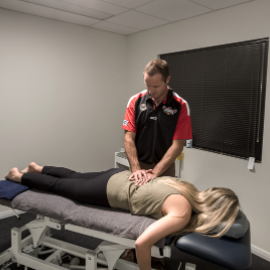
Physiotherapists generally need good visual and physical access to the area you have injured, so it is important that you choose appropriate clothing for your appointment. If you are getting treatment for a shoulder or elbow, it is helpful to wear a t-shirt or tank top. Some physios will ask you to remove your shirt if you have a sore back, and wearing shorts or leggings can help them manage your hip or knee pain. All assessment and treatment methods can be adapted however, and it is very important that you feel safe and comfortable throughout your appointment. Feel free to discuss your preferences with your physio to ensure you can feel comfortable while receiving the best quality treatment possible.
3. Doctors letters, imaging and referrals
If you have been referred to your physio by a GP or specialist, please make sure you bring your referral with you. This will help your therapist get a clear idea of your history and condition, and allows them to communicate with your referrer following your appointment. You may also have scans and imaging reports from previous medical appointments. Make sure you bring these with you too as they can give the therapist a better understanding of your presentation.
4. Know your history
At the start of the appointment, your therapist will ask you lots of questions about your injury and your previous medical history. It is important that you have a clear idea of when your injury started and how it has progressed over time. You should also consider if you have made any recent lifestyle or activity changes that may have impacted your body. The more information you provide, the easier it is for your therapist to understand your specific injury and how it affects you. This means they can tailor their treatment to your requirements and gives you the best chance of getting back to what you love.
5. Ask questions
The most important person during your physio appointment is YOU. If you have a question about your diagnosis, treatment or prognosis, your physio will be more than happy to discuss this with you. Sometimes it can help to write your questions down so you don’t have to remember them on the spot during your appointment. No question is a silly question, and it is your therapist’s goal to ensure you leave the appointment with clarity and confidence.
6. Be prepared to move
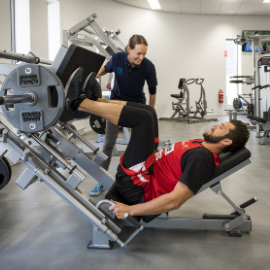
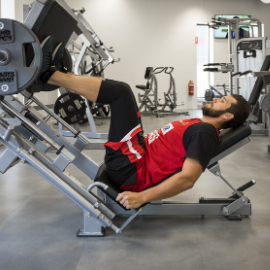
While it may be nice to lay back on the physio bed and get a relaxing massage, a big part of your appointment is being prescribed exercises that you can do at home to help manage your injury. Your physio will lead you through a home exercise program during the appointment, so make sure you are ready to move and remember the cues you are given. Do not be afraid to ask questions or clarify anything about your exercises, as this will help you remember exactly how to perform them on your own at home.

Ask a physio
Not sure whether you are appropriate for Physiotherapy?
Fill out the form and one of our physiotherapists will be in touch with you within 24 business hours.
Follow us on