+61 (8) 9246 4066
 Suite 1, 64 Arnisdale Road,


- We have moved to Duncraig
-
 +61 (8) 9246 4066
-



Getting Summer Ready: How To Stay Injury Free

After what has felt like a long winter, we are finally getting some beautiful warm sunny days in Perth. As the mercury rises, so does our motivation to get outside and get our bodies moving. While being more active is great, a sudden spike in our activity levels can result in an increased risk of injury. And there is nothing more frustrating than getting injured when you’ve just started a new exercise routine. Check out the following tips to help you stay injury free as you get ready to smash those summer fitness goals.

Build up a good base & gradually increase your load
If you’ve been doing a pretty good job of hibernating over winter and the only marathons you’ve been doing are of the Netflix variety, then make sure you start your return to exercise at an appropriate level. Start slow and spend a few weeks building up a good base level of fitness. As time goes on, gradually increase the intensity and duration of your activity. Progressing your chosen activity slowly will give your body time to adapt to the new load, protect you from injury and help you get one step closer to that summer bod you’ve always dreamed of. For activities like swimming, running, walking and cycling you should increase your weekly load by no more than 10-20% per week.
Be consistent & plan ahead
Consistency in your exercise regime will not only give your body a much better chance against injury, it is also the key to seeing a quick improvement in your fitness levels. Sit down at the start of each week and schedule in when you are going to be active. This not only helps with motivation but also ensures that you don’t over do it.
Warm up & cool down
Whilst the days are getting warmer, the mornings and evenings can still be quite cool. Make sure you do a good warm up before you start to exercise. The best warm up is one that is dynamic (that means moving, not static stretching!) and prepares your body for the activity you’re about to do. This will vary depending on what sport or activity you’re doing but the aim is to gradually get the heart rate up and increase the blood flow to all of your muscles. A cool down is just as important. Don’t just jump straight back in the car after you’re done. Reduce activity to a lower intensity, jump on the foam roller and then finish with some static stretches.

Appropriate footwear
Old, worn out or inappropriate footwear can contribute to injuries especially when combined with other training errors. Before you start, check your shoes to see if it might be time to get a new pair for summer. You want to pick a shoe that feels comfortable and provides good arch and firm heel support. It should also be specific to the sport or activity you are doing and should be used on the surface it’s intended for.
Rest & recover
If your body is feeling fatigued, sore or tight from the increase in exercise, don’t be afraid to have a rest day! Recovery is an important part of any physical training schedule and will help to keep injury at bay and your body performing at its best.
Sleep
Sleep can have a significant effect on your post exercise recovery and adaptations to training.The right amount of good quality sleep can help to prevent injury and improve athletic performance. Sleep is vital for learning new motor skills and it allows muscle to repair and adapt.You should aim to get between 7-9 hours of sleep per night. You can improve the quality of your sleep by limiting your use of technology 1 hour before bed, reducing caffeine intake after lunch, minimising alcohol at night and sleeping in a cool dark room.
Strength training
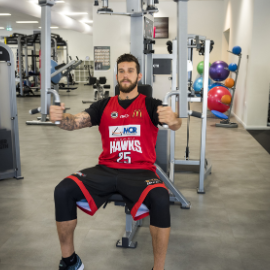
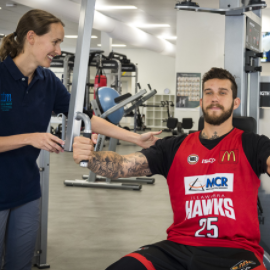
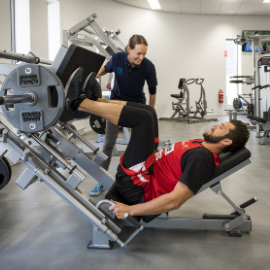
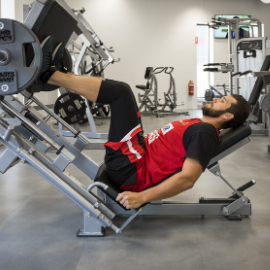
If you’re exercise routine doesn’t incorporate any strength training then maybe it is time to consider it. Resistance exercise helps to prevent injury and prepare your body to do those summer activities and sports you’re looking forward to doing. Swimming, surfing, paddle-boarding, tennis, golf, hiking, bike riding, beach runs… no worries! Not only does strength training make your muscles and bones stronger, but it also helps to increase your metabolism which can assist with shedding that winter insulation.
If you’re not sure on what exercises you should be doing, pop in to see one of our physiotherapists and they can design an appropriate strength program for you to complete at the gym or in the comfort of your own home. If an exercise class is more your kind of thing, then why not try one of clinical Pilates classes taken by one of our physiotherapists. We currently run Mat Pilatesclasses several times per week and will soonbe offering Reformer Pilates as well.

Ask the professionals for help
Already gone too hard too soon? If you’re feeling a bit of a niggle with your exercise routine make sure you get it checked out sooner rather than later by one of our experienced physiotherapists. We can also help you develop an appropriate exercise regime to get you fit and healthy this summer. Book an appointment online or call us on 6244 0345.
Keep an eye out for future posts in our ‘summer body series’ as we go into the most common injuries we see during the warmer months and what you can do about them.

Ask a physio
Not sure whether you are appropriate for Physiotherapy?
Fill out the form and one of our physiotherapists will be in touch with you within 24 business hours.
Follow us on